LDES Solution
Grid-Scale Long Duration Energy Storage with unmatched Application Flexibility
SCROLL DOWN TO EXPLORE



Over 100 years of experience developing & implementing new technologies that enable reliable and economical sources of energy for generations to come
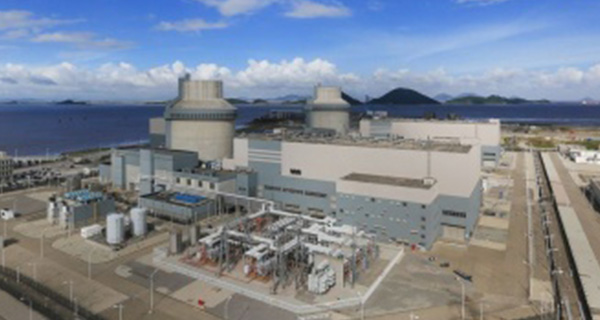
Long-duration storage providing grid resiliency and decarbonization support
 Increased deployment of
 Mismatched supply
 Grid instability due to
 Safety/environmental concerns & commodity limitations
 Increasing the reliability of renewable systems
 Low incremental costs of longer duration
 Provides characteristics of traditional generation
 Uncompromised safety & environmental impact
Grid-Scale Long Duration Energy Storage with unmatched application flexibility

Offers a significant advantage in cost-effectiveness compared to lithium-ion batteries, primarily due to the low cost of capacity over extended duration applications.
Maintain capacity over time without the need for augmentation, ensuring sustained performance and reliability for extended periods, thereby reducing operational costs and enhancing system longevity.
Contributes to a lower carbon footprint and offers a fully recyclable end-of-life solution, supporting sustainable energy practices and minimizing environmental impact throughout its lifecycle. No thermal runaway or fire risk.
Balancing innovation with proven components to deliver a reliable system
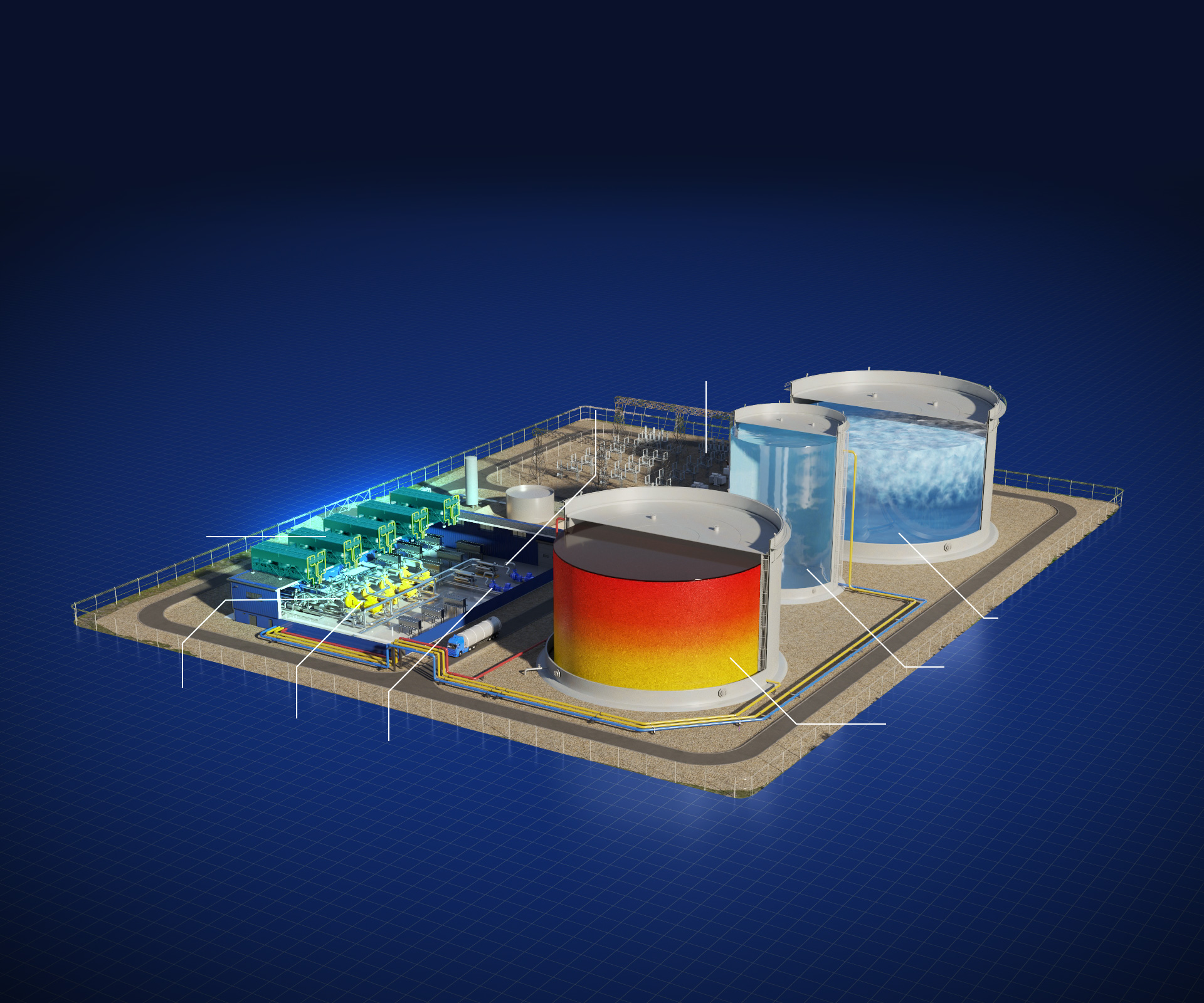
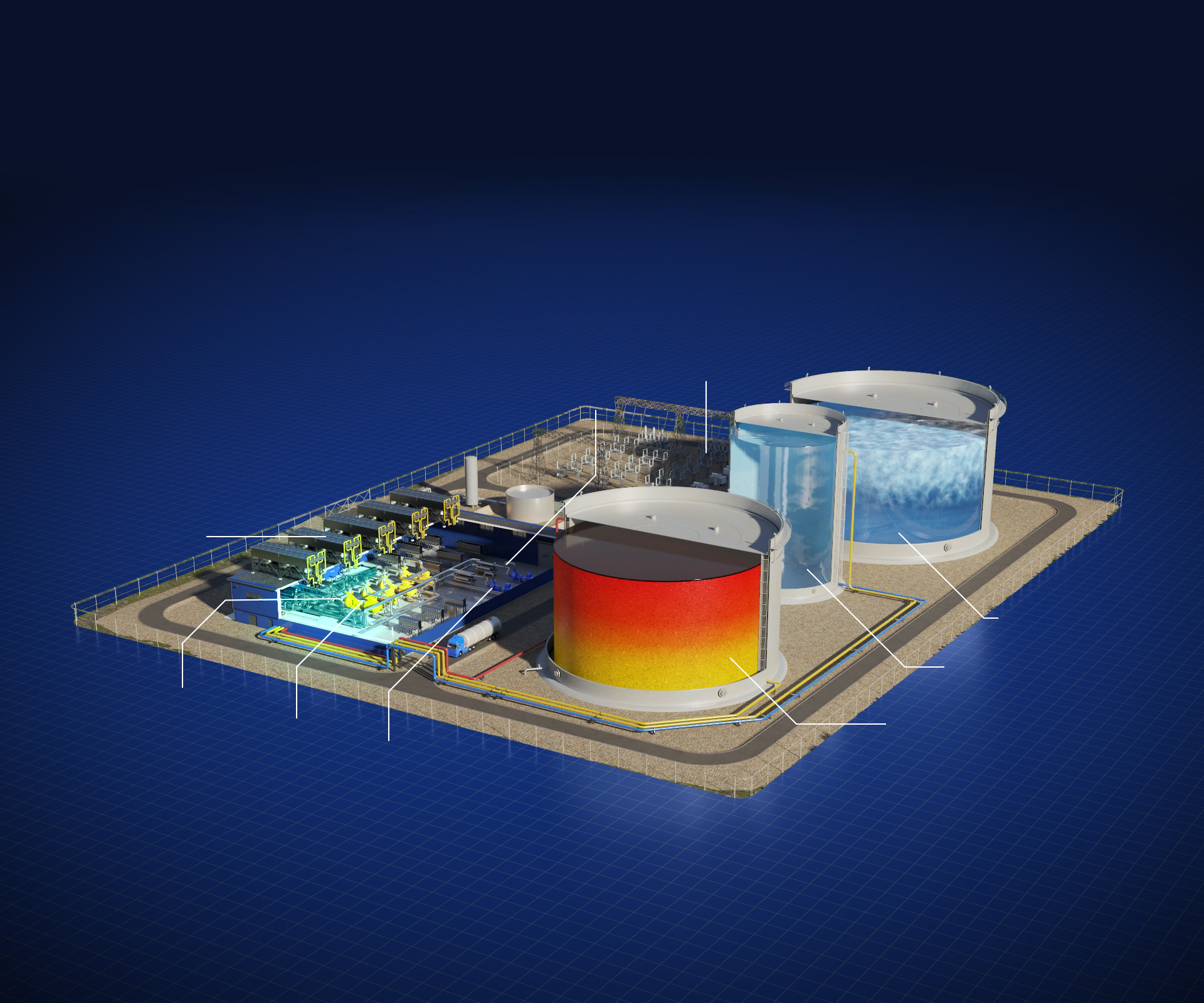
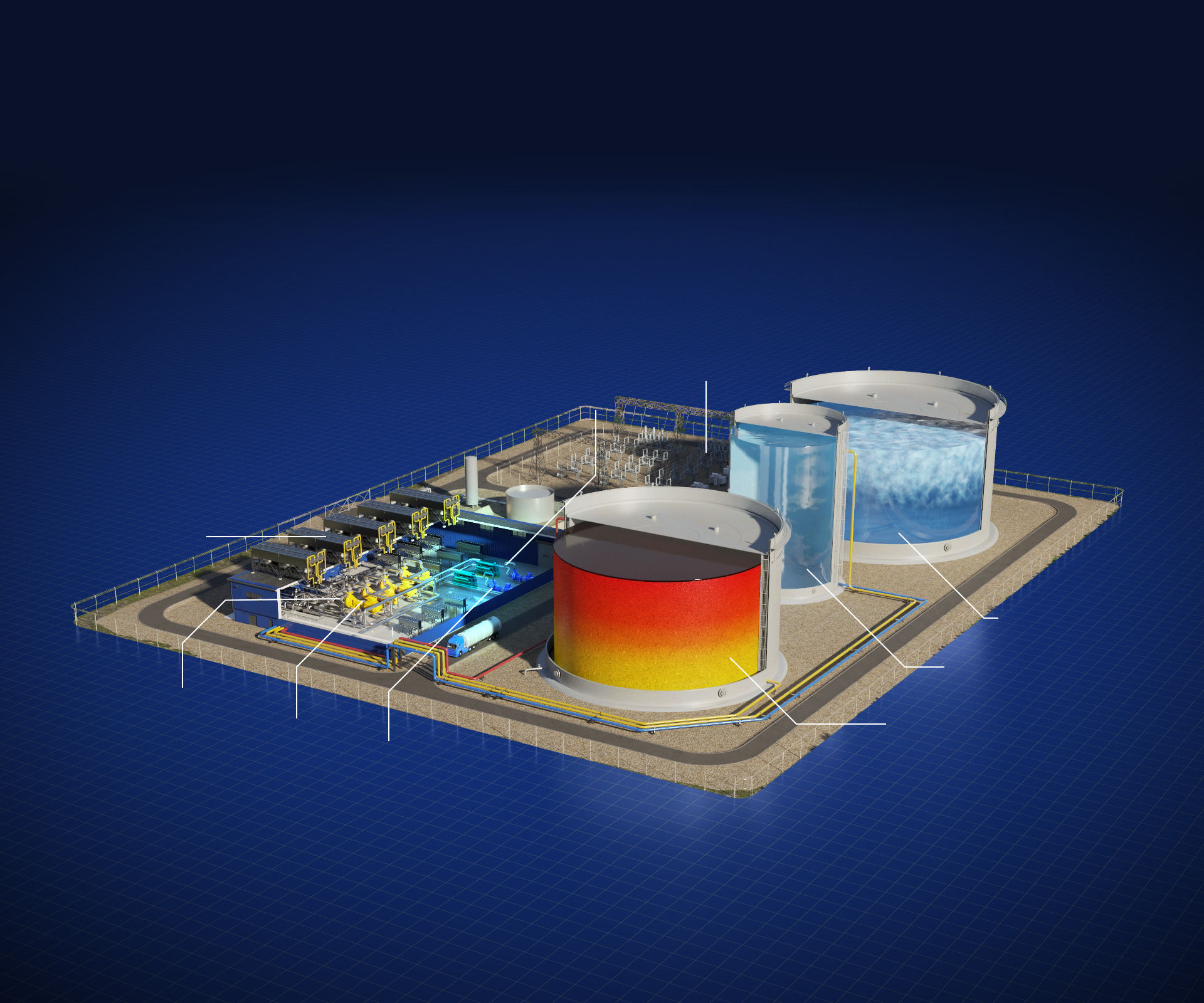
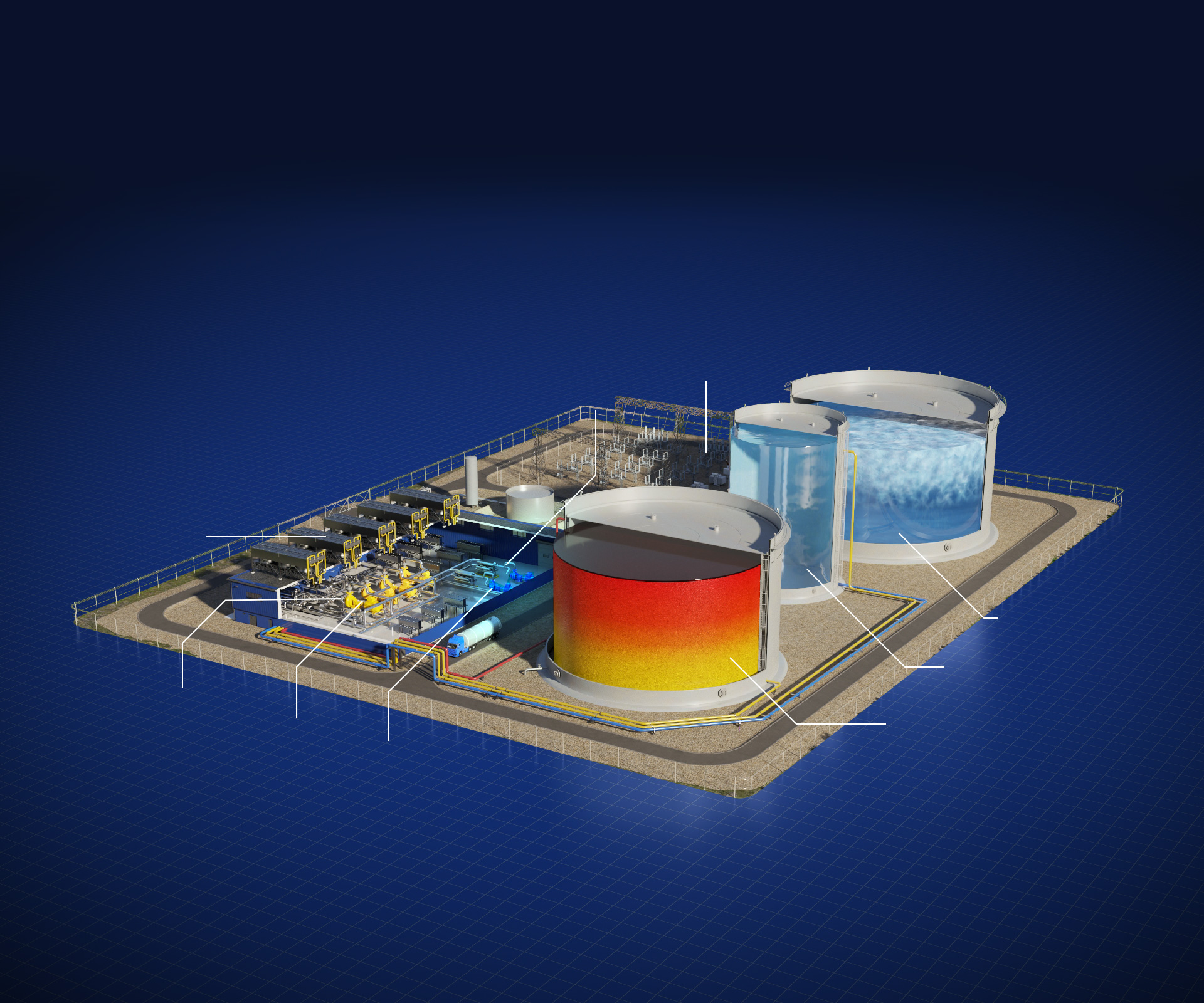
 Systems
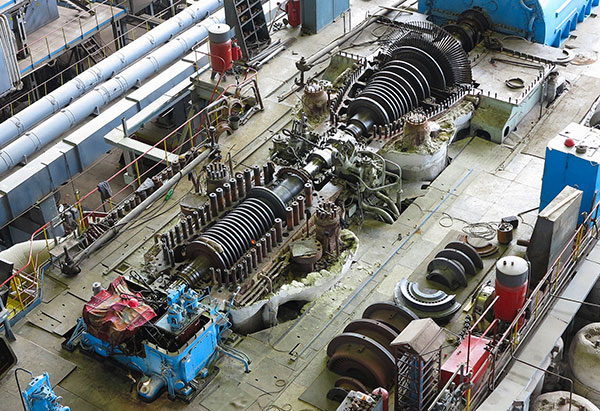
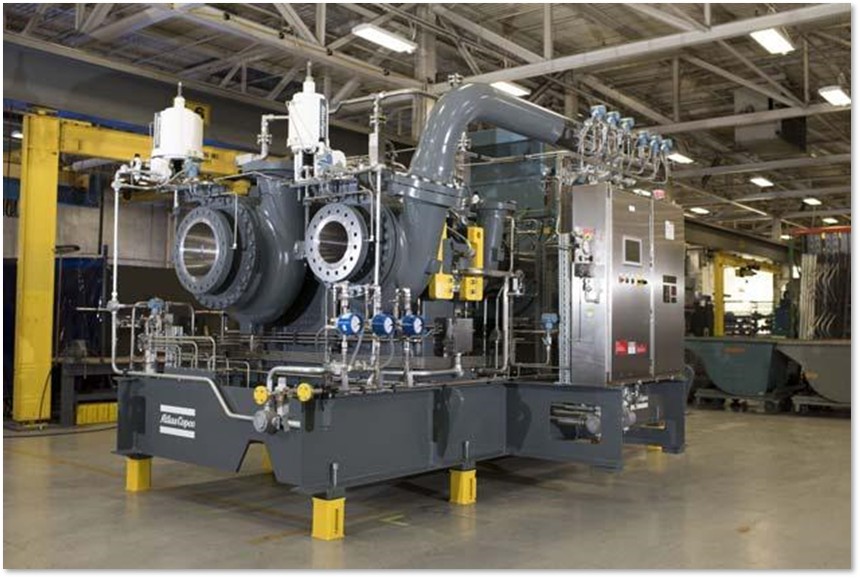
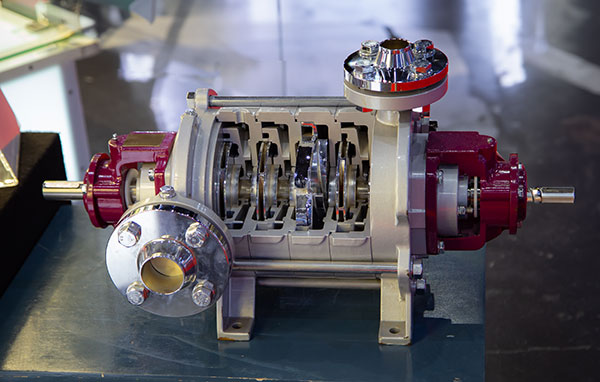
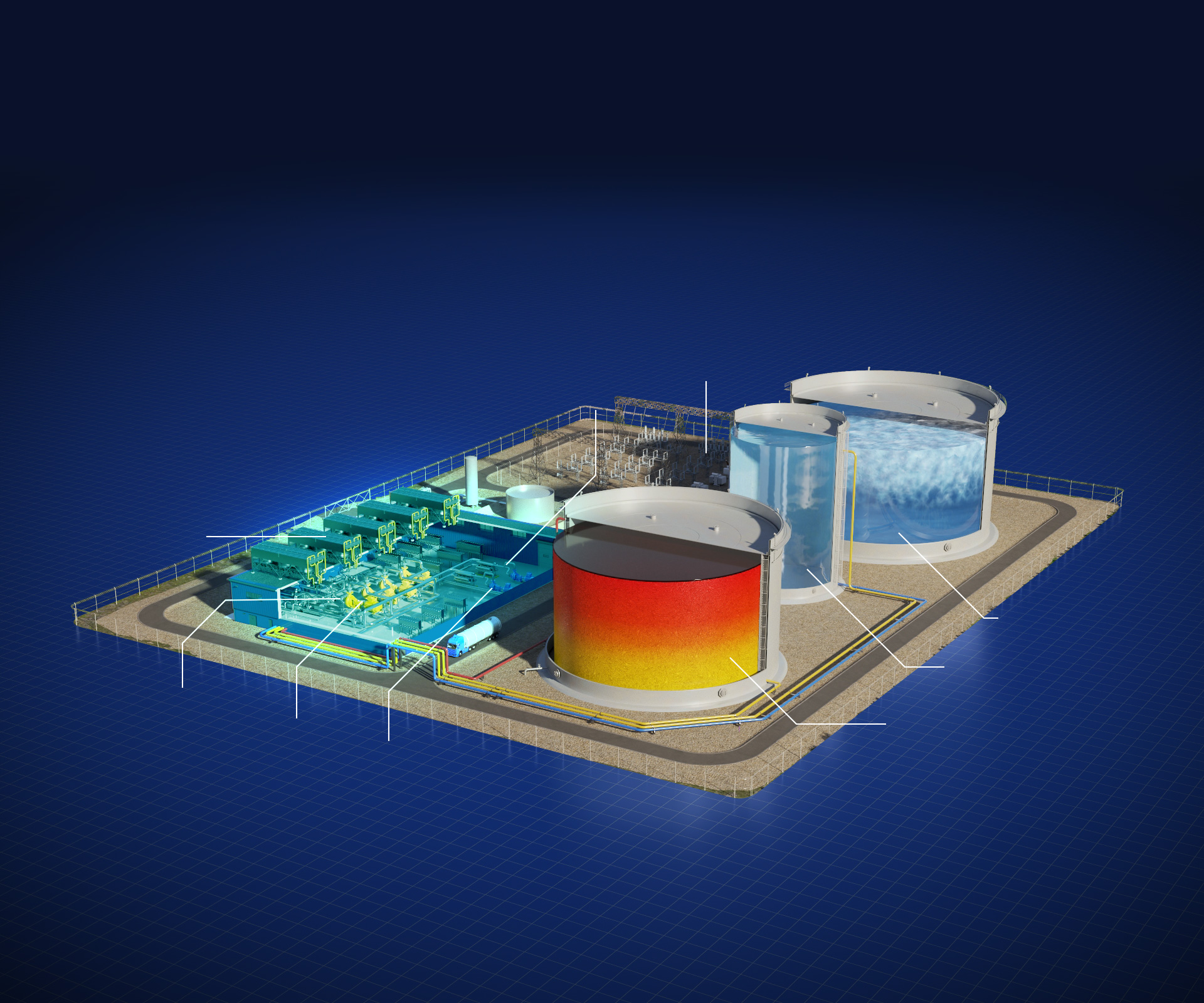
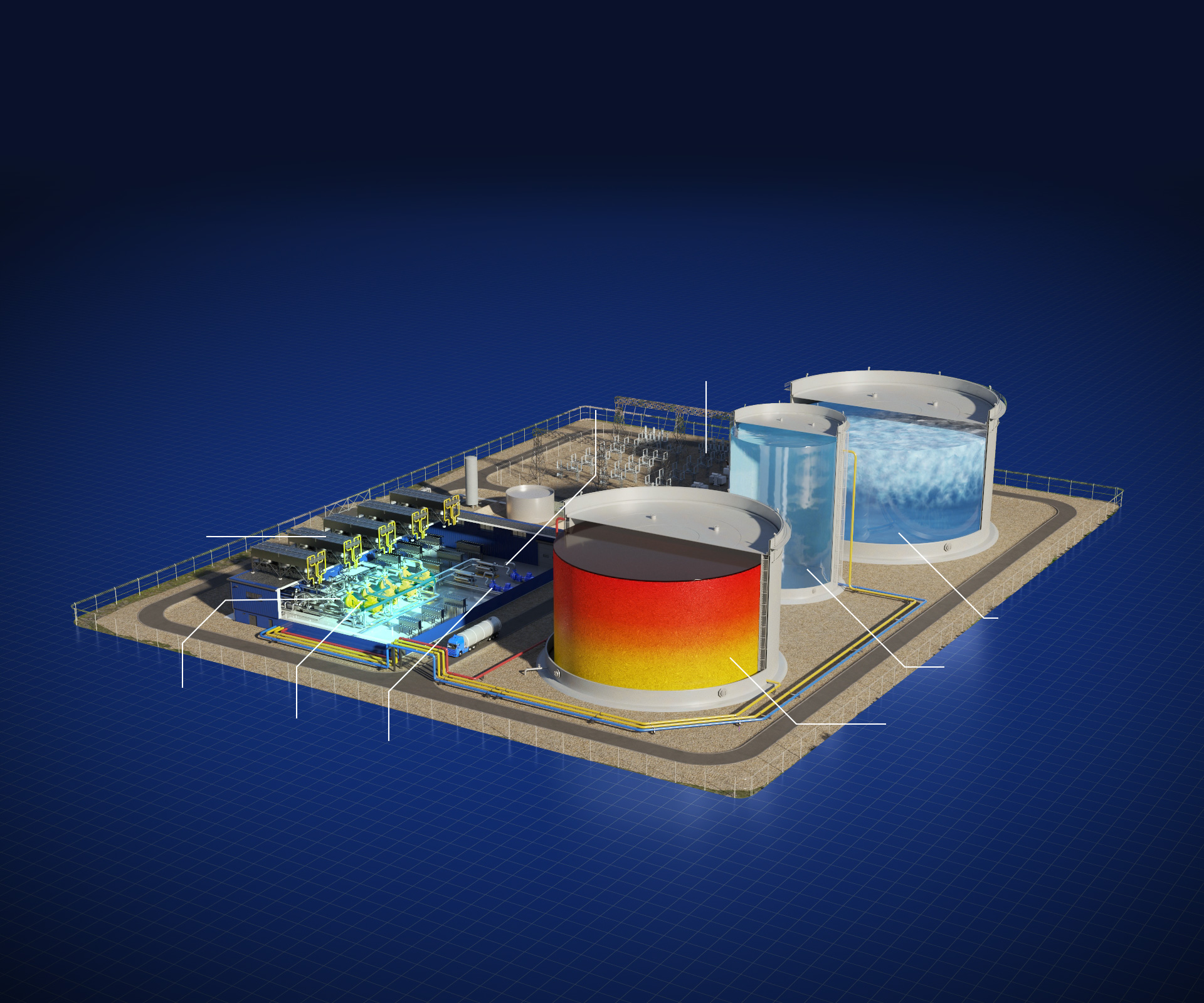
Power Turbine
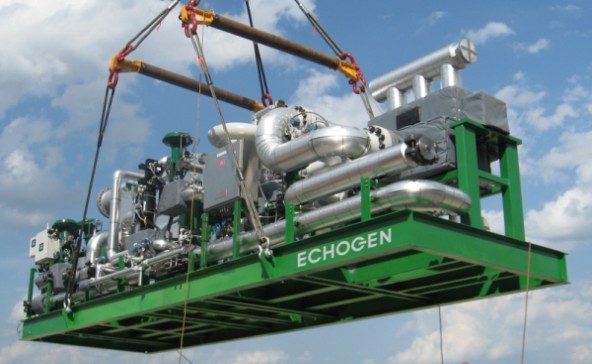
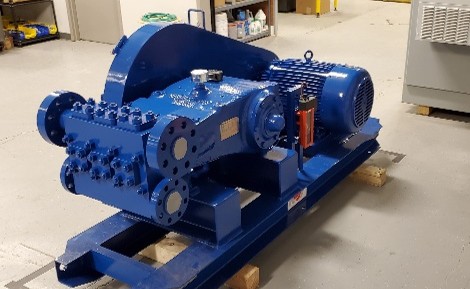
Charging Compressor
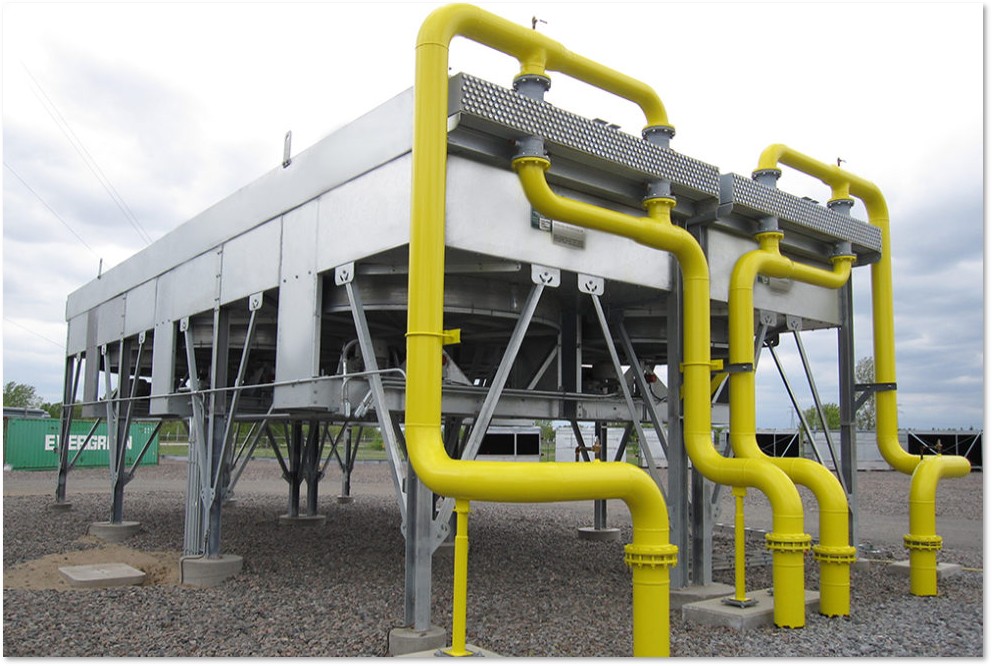
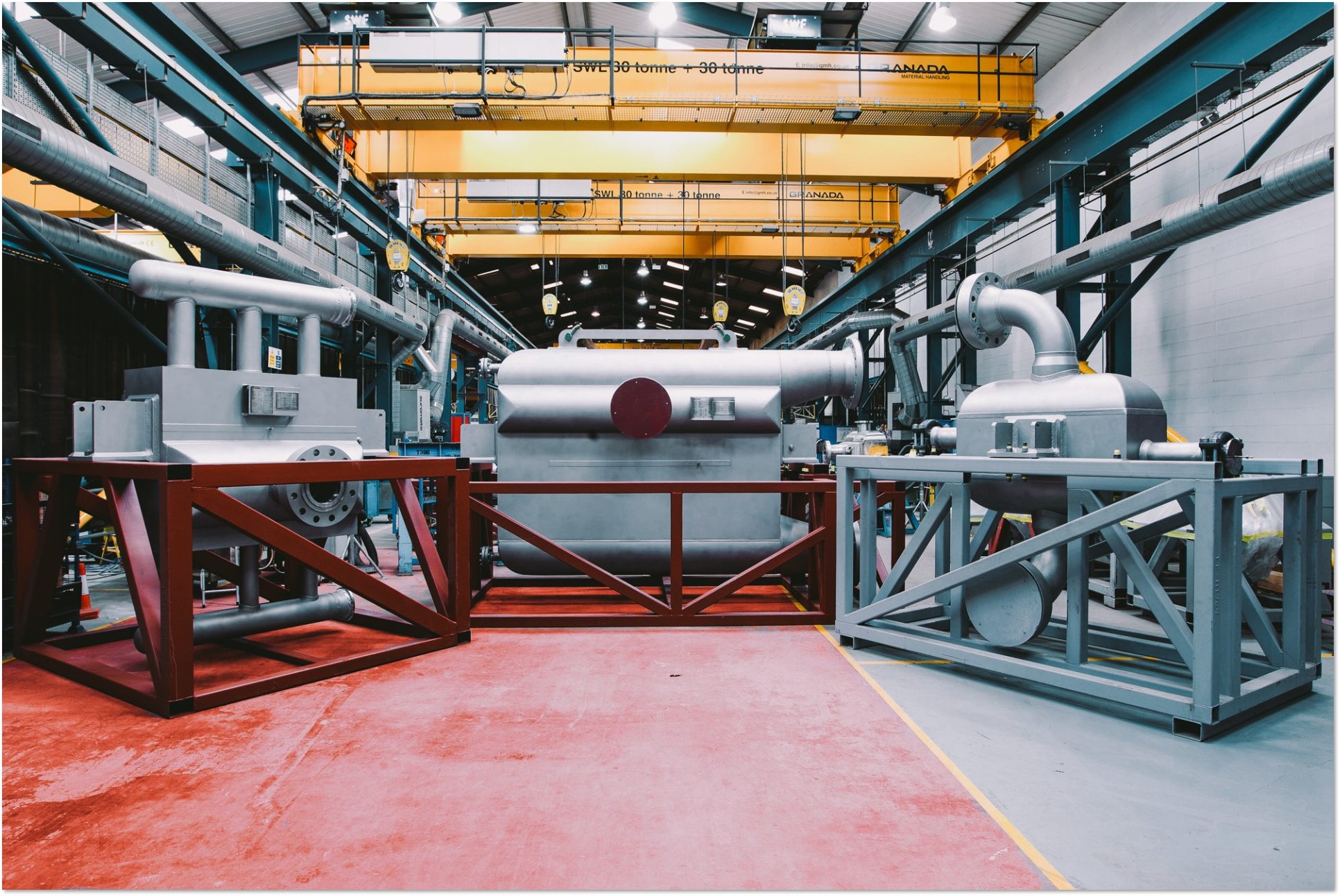
Heat Exchangers
Systems
Power Turbine
Charging Compressor
Heat Exchangers

Select an Area to Learn More
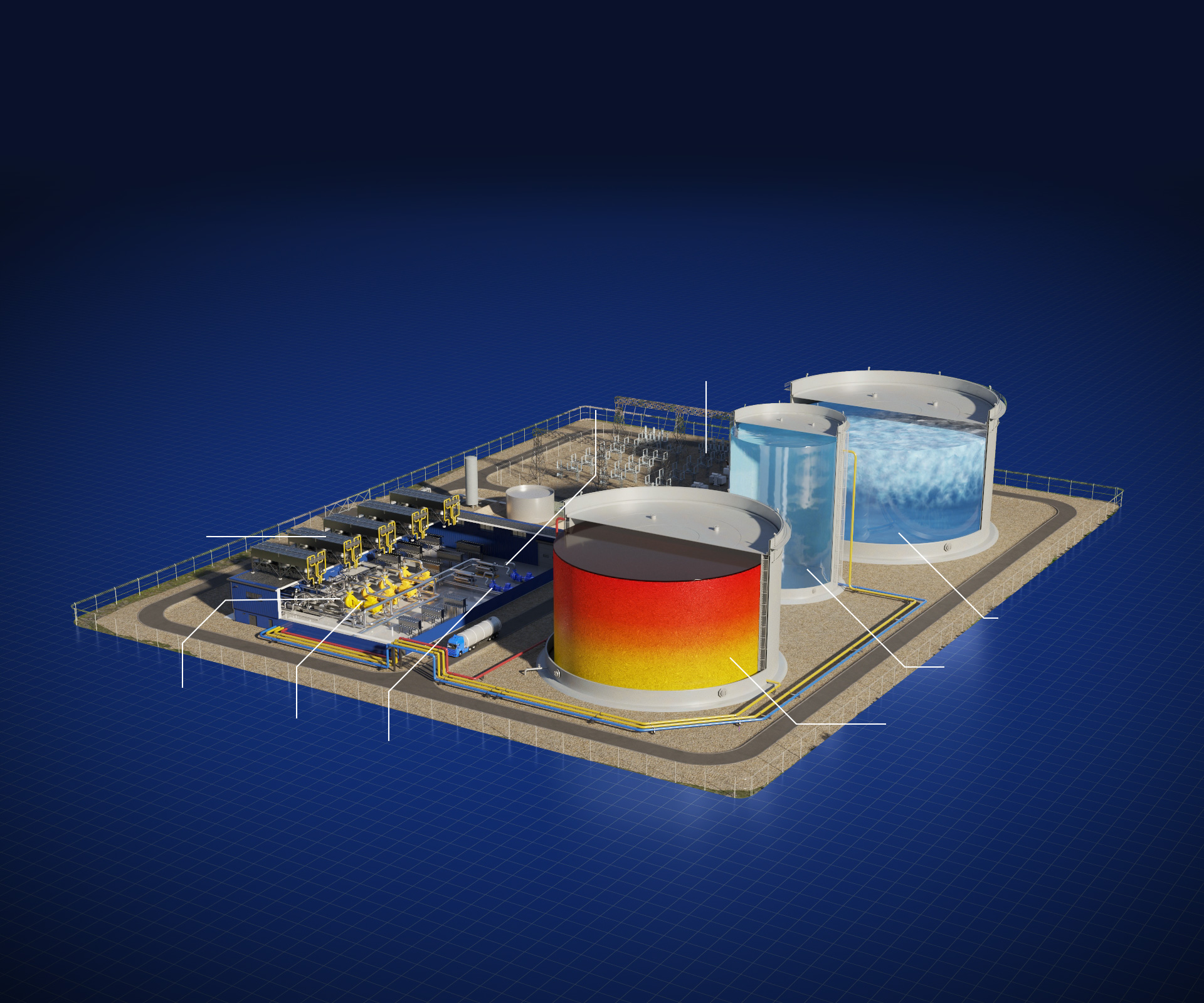
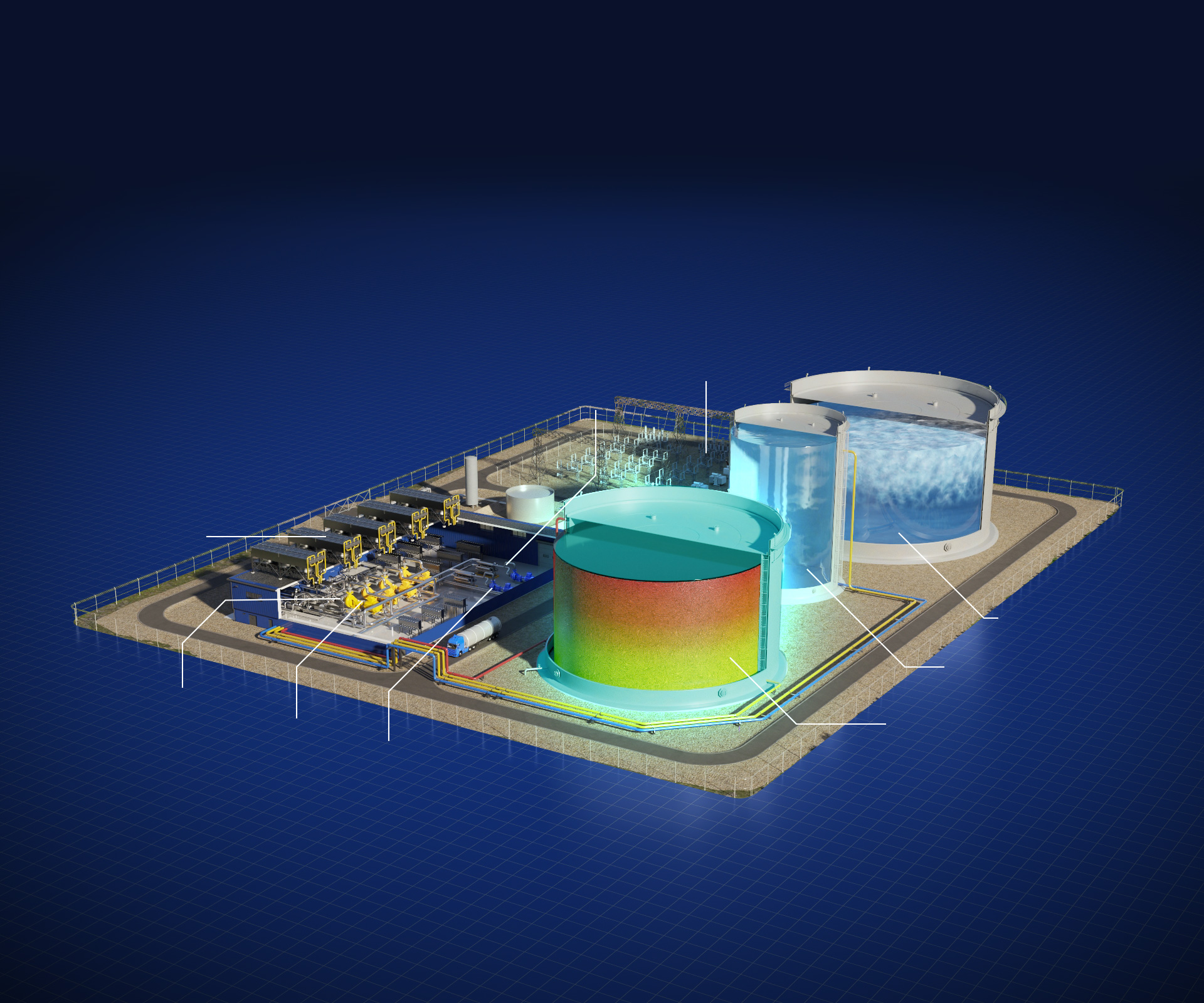
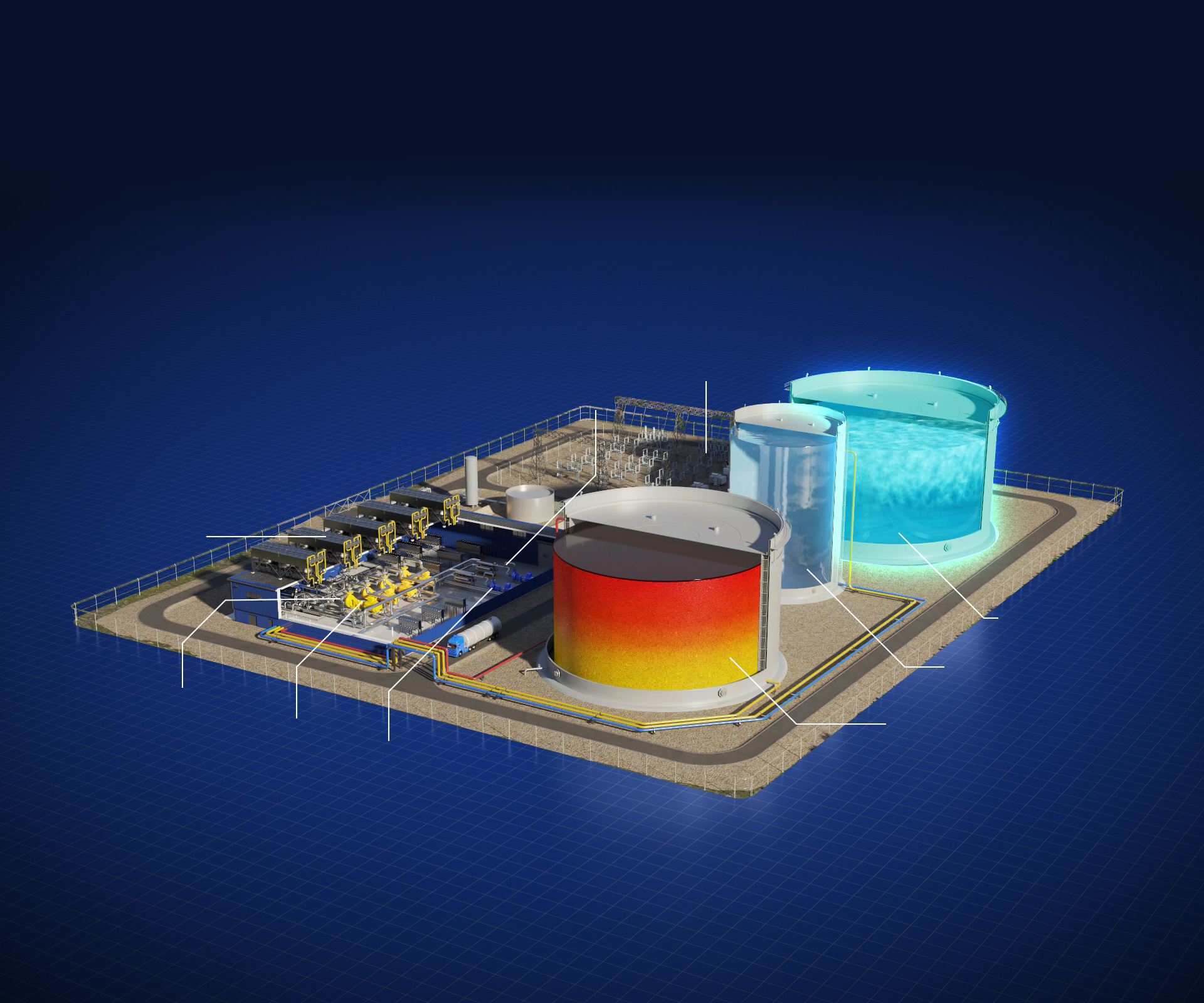
Storing electrical energy as a differential of temperature.
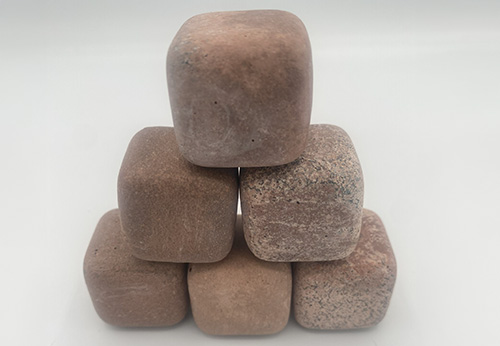
System at a fully discharged state where LTR has chilled water and HTR has warm oil/concrete media.
sCO2 equipment is operated as a heat pump: electricity is consumed as high temperature heat of compression is extracted and stored in HTR oil media while low temperature turbine expansion converts water to ice in LTR.
System at a fully charged state where water has frozen in the LTR and oil/concrete media is hot in the HTR.
sCO2 equipment is operated as a heat engine: temperature differences between the energy storage reservoirs drive expansion across a turbine-generator, producing electricity.
Lower Capex, no augmentation costs => Lower LCOS
One of the most compact LDES footprints at ~5 acres for +GWh
From 8 hours to multiple days of stored capacity & other ancillary services
Maximize capacity factor by enhancing load following with reactor at ~100% MWt


Over 100 years of experience developing & implementing new technologies that enable reliable and economical sources of energy for generations to come
Long-duration storage providing grid resiliency and decarbonization support
Increased deployment of intermittent generation
Mismatched supply & demand
Grid instability due to reduced inertia
Safety/environmental | commodity limitations
Increasing the reliability of renewable systems
Low incremental costs of longer duration
Provides characteristics of traditional generation
Uncompromised safety & environmental impact
Grid-Scale Long Duration Energy Storage with unmatched application flexibility
Offers a significant advantage in cost-effectiveness compared to lithium-ion batteries, primarily due to the low cost of capacity over extended duration applications.
Maintain capacity over time without the need for augmentation, ensuring sustained performance and reliability for extended periods, thereby reducing operational costs and enhancing system longevity.
Contributes to a lower carbon footprint and offers a fully recyclable end-of-life solution, supporting sustainable energy practices and minimizing environmental impact throughout its lifecycle. No thermal runaway or fire risk.
Balancing innovation with proven components to deliver a reliable system
Storing electrical energy as a differential of temperature.
System at a fully discharged state where LTR has chilled water and HTR has warm oil/concrete media.
sCO2 equipment is operated as a heat pump: electricity is consumed as high temperature heat of compression is extracted and stored in HTR oil media while low temperature turbine expansion converts water to ice in LTR.
System at a fully charged state where water has frozen in the LTR and oil/concrete media is hot in the HTR.
sCO2 equipment is operated as a heat engine: temperature differences between the energy storage reservoirs drive expansion across a turbine-generator, producing electricity.
Lower Capex, no augmentation costs => Lower LCOS
One of the most compact LDES footprints at ~5 acres for +GWh
From 8 hours to multiple days of stored capacity & other ancillary services
Maximize capacity factor by enhancing load following with reactor at ~100% MWt